
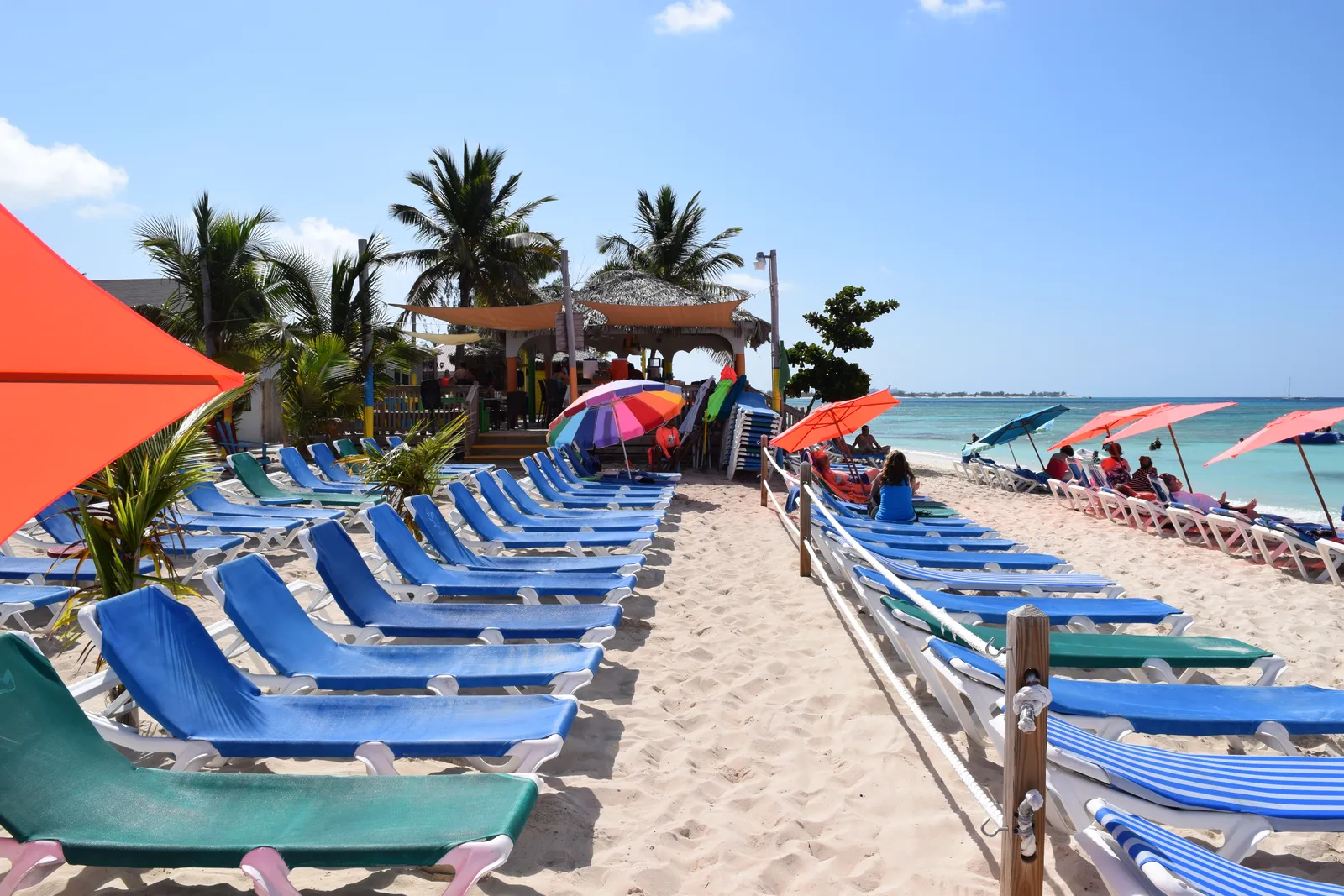
Packing for a cruise is easier than packing for most trips: you unpack once, and the ship takes you everywhere. The two things that catch first-timers out are what to keep in your carry-on on embarkation day, and the everyday items cruise lines don't allow on board, like surge protectors and clothes irons. Here's a list that works for a typical 7-night Caribbean cruise.
The one thing I always pack is a small fan, one the cruise line allows. It helps me sleep and covers stray cabin noise (more in our noisy-cabin guide).
Your embarkation-day carry-on
Your big bags are taken at the terminal and arrive at your cabin some time in the afternoon or early evening. Until then, you only have what you carry. Keep in it:
- Travel documents and ID: passport (or birth certificate and photo ID where allowed), boarding pass, and any visa or health forms your line asks for
- Medications for the whole trip, in their original containers
- Swimsuit, sunscreen and sunglasses, so you can use the pool on day one
- Phone, charger and any valuables
- A change of clothes, in case your bags arrive late
The main list
- Daytime clothes: shorts, T-shirts, sundresses, a light layer for air-conditioned indoor spaces
- Evening clothes: most lines have one or two dressier nights a week. "Elegant" or "formal" usually means a dress or a collared shirt and slacks, not a tuxedo, though some guests do dress up
- Shoes: sandals, comfortable walking shoes for port days, and something nicer for dinner
- Beach gear: a cover-up, water shoes for rocky beaches, a reusable water bottle. Most lines provide beach towels
- Toiletries: cabins usually have shampoo, conditioner and soap; bring anything else you use
- Health basics: seasickness remedies (see our seasickness guide), pain relief, bandages, and anything you'd hate to buy at ship prices
- Small extras: a lanyard for your cruise card, a few magnetic hooks (cabin walls are often metal), and a small bag for port days
One more I'd add from my own cruises: towel clips. On a windy day at sea, they keep your towel on the lounger instead of blowing across the deck.
What you can't bring
Rules differ a little by line, so check yours, but these are commonly banned for fire-safety and security reasons:
- Surge protectors and many power strips. Outlets on ships are limited, but surge-protected strips are a fire risk on a ship's electrical system. Some lines allow a basic outlet extender or a USB charger without surge protection; check your line's current rule.
- Clothes irons and steamers. Many ships have self-service laundry rooms with irons, or offer pressing.
- Candles, incense and anything with an open flame, and hot plates or coffee makers with heating elements. Hair dryers and curling irons are usually fine.
- Weapons and anything that looks like one, including many knives.
- Drones are banned or restricted by most lines.
Bringing wine and drinks
Most lines let you bring a little, on embarkation day only, in your carry-on:
- Carnival: one sealed 750 ml bottle of wine or champagne per guest aged 21 or older. Beer and liquor aren't allowed. Drinking your wine in a dining venue costs a $15 corkage fee. Each guest can also bring up to 12 sealed, unopened cans or cartons of soda, 12 oz or smaller.
- Royal Caribbean: one sealed 750 ml bottle of wine or champagne per guest of drinking age. It's free to drink in your cabin; opening it in a bar or dining venue costs a $15 corkage fee. Non-alcoholic drinks are limited to 12 standard cans, bottles or cartons (up to 17 oz each) per cabin, not per guest.
Other lines have their own rules, so check your line's drinks policy before you pack.
Still choosing a cruise? The 2-minute quiz matches you with the ships that fit how you travel.